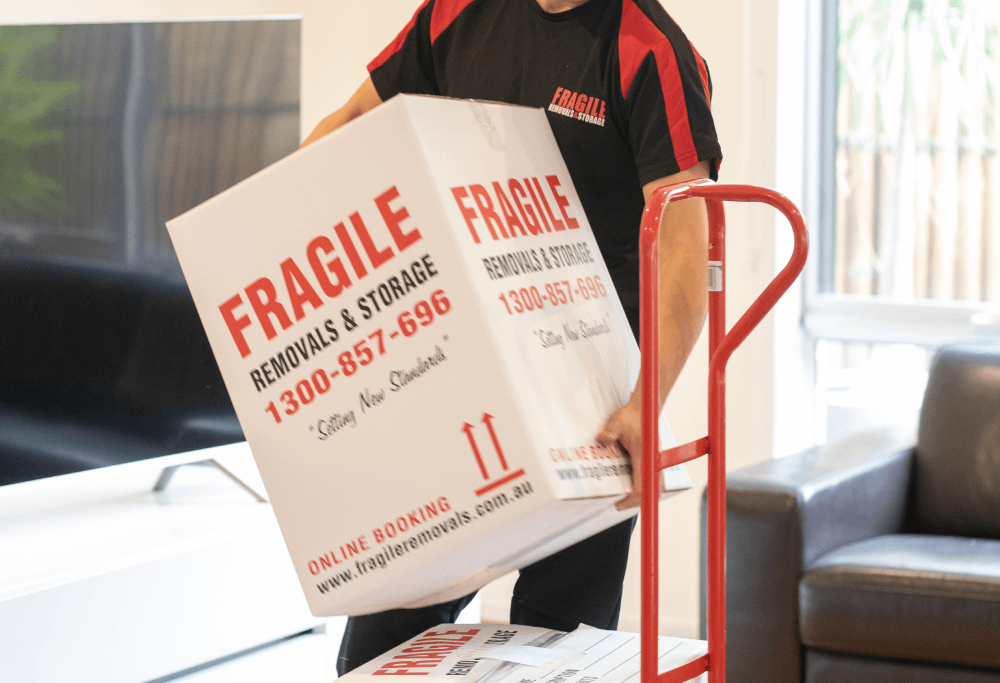
Moving House – Top 4 Money Saving Tips
Buying and selling a house can be expensive! Don’t let the moving process drain your funds. Here are four top money saving tips to ensure you can move into your new home with a clearer view of the costs.
- Donate your unwanted things Lighten your load by donating things you no longer want or need to the charity of your choice. There is no point in paying to transport items you will simply throw away in your new house!
- Sell items you don’t need Not only can you save money when moving but you can make some spending money to use on your new home! Simply sell items of value that you won’t need at your new address. Use eBay, Gumtree or any similar site. Agree the price, collection and timing with the buyer; a listing does not guarantee a sale before moving day.
- Know the scale of your move Count or accurately estimate the number of boxes and pieces of furniture you need to move so that the removalists can assign the right size truck, etc.
- Time your move If you can, choose to move at an off peak time as the process is sometimes made less expensive. Select a mid-week or mid-month day. Ask for quotations for the dates you can actually use. A mid-week or mid-month date is not guaranteed to be cheaper for every route or booking.
For efficient and affordable moving services, talk to the moving experts at Fragile Removals by calling 1300 857 696.
Compare the cost of moving an item with keeping it
Work room by room and decide which belongings you want in the new home. Confirm that larger pieces suit the space before paying to transport them. If you plan to sell or donate an item, set a collection deadline that leaves time for an alternative. Keep sold and donated items separate from the removal inventory and tell the crew what must stay.
Use furniture donation guidance to prepare for the acceptance and collection questions. A charity may need to assess the item and may not collect on the date you prefer. Avoid relying on a last-minute donation to remove a large item from your moving costs.
Consider the full decision rather than only the removal price. If an essential item is given away, replacing it may affect the household budget. If you have not decided whether to keep an item, ask how its inclusion changes the quote rather than assuming every object has the same transport cost.
Give each removalist the same inventory and access details
List furniture and boxes, disclose stairs and long carries, and describe parking or lift restrictions at both addresses. Use furniture measurements to improve the estimate. A quotation based on an incomplete load or easier access may be misleading even when its initial figure is lower.
Ask what packing, dismantling, loading, transport, unloading and reassembly are included. Identify any storage or delivery-date gap. Read the conditions governing changes, waiting time and services outside the agreed scope. Compare like-for-like arrangements rather than choosing solely by the headline amount.
For dates you can change, request alternatives with the same load and service scope. Record the actual saving offered and any trade-off, such as a different delivery window. Avoid assuming a low-demand date exists for every journey. Consider whether a cheaper moving date creates additional accommodation, storage or time-off costs for your household.
Choose self-packing only when it fits the job
Packing yourself can change the service scope, but it still takes materials, time and suitable handling. Check packing materials and inspect reused boxes for condition and suitability. A free box is not useful if it cannot support the contents or exposes them to damage.
Ask which items need professional packing or a separate assessment. Confirm the handling and insurance implications of self-packed goods with the provider. Do not reduce the packing provision for fragile or valuable items simply to make the estimate smaller.
Schedule packing so the booked collection can proceed. Leave essential items accessible and identify unfinished work before the team arrives. If your circumstances change, discuss revised scope and costs early rather than expecting extra work to fit the original booking automatically.
Keep a complete moving budget and a record of changes
Separate the removal quote from packing purchases, cleaning, utilities, storage and any travel or accommodation you arrange. This makes it easier to see whether a saving in one area shifts a cost elsewhere. Use the moving checklist to track which arrangements are confirmed.
If the inventory, dates or access changes, obtain an updated quote or written explanation of the effect. Keep accepted variations with the original booking. If the final amount differs from your expectation, compare it with those records and ask the provider to explain the difference. This guide does not promise a particular saving or a universal cheapest date.
Is moving mid-week always cheaper?
No. A mid-week or mid-month date can be worth comparing, but the actual price depends on the route, load, service and availability. Request alternative quotes using the same inventory and access information. Then add any storage, accommodation, travel or time-off cost created by changing dates. A lower removal charge may not reduce the overall moving budget. Choose a date whose total cost and delivery arrangements suit you, and have the confirmed price and change conditions recorded before booking.
What makes two removal quotes comparable?
Give each mover the same furniture and carton inventory, addresses, dates and details of stairs, parking, lifts and long carries. Compare packing, materials, dismantling, transport, unloading, reassembly and storage individually, including anything excluded. Ask about minimum charges, waiting time and changes to the agreed scope. A cheaper estimate based on fewer goods or easier access is not a like-for-like saving. Keep the written versions so you can check which tasks remain your responsibility and what could change the total.
Can donating furniture reduce the load immediately?
Only after the recipient accepts the furniture and collection is arranged. Provide an accurate description and any requested photographs, agree the collection date and check access requirements. Set a deadline with enough time for an alternative if the donation falls through. Keep the item on the provisional moving plan until its departure is confirmed, then update the removalist’s inventory. Avoid promising the crew that a large item will be gone when a charity or buyer has not yet accepted it.
How do I decide whether to move, sell or replace an item?
Check whether you need the item and whether it fits the new home, then compare the effect of transporting it with the realistic cost of replacing it. Ask how large items affect the quote instead of assuming every piece adds the same amount. Include the effort and deadline for a sale or donation. Keep essential furniture in the plan until an alternative is workable. Reducing the load is useful when it supports the household’s overall budget and needs.
When does self-packing help the moving budget?
Self-packing can reduce the work you buy if you have the time, suitable materials and ability to finish before collection. Include boxes, tape, protection and your time when comparing it with a packing service. Inspect reused cartons and get advice on delicate or unusually valuable items rather than cutting their protection to lower the estimate. Confirm any requirements for owner-packed goods and the applicable cover. If packing falls behind, contact the team early to discuss help and a revised scope.
Images on This Page
-
https://www.fragileremovals.com.au/wp-content/uploads/2025/07/Logo.svg
Logo
-
https://www.fragileremovals.com.au/wp-content/uploads/2025/08/Fragile-Removals-Melbourne-VIC.png
Fragile Removals Melbourne VIC
-
data:image/svg+xml,%3Csvg%20xmlns='http://www.w3.org/2000/svg'%20viewBox='0%200%20156%2025'%3E%3C/svg%3E
5-star
-
https://www.fragileremovals.com.au/wp-content/uploads/2025/08/5-star.svg
5-star
-
data:image/svg+xml,%3Csvg%20xmlns='http://www.w3.org/2000/svg'%20viewBox='0%200%2022%2021'%3E%3C/svg%3E
1-star
-
https://www.fragileremovals.com.au/wp-content/uploads/2025/08/1-star.svg
1-star
-
data:image/svg+xml,%3Csvg%20xmlns='http://www.w3.org/2000/svg'%20viewBox='0%200%20240%20340'%3E%3C/svg%3E
bg pattern2
-
https://www.fragileremovals.com.au/wp-content/uploads/2025/08/bg-pattern2.png
bg pattern2
-
data:image/svg+xml,%3Csvg%20xmlns='http://www.w3.org/2000/svg'%20viewBox='0%200%20254%2091'%3E%3C/svg%3E
(no alt text)
-
https://www.fragileremovals.com.au/wp-content/uploads/2025/07/footer-logo.svg
(no alt text)
-
data:image/svg+xml,%3Csvg%20xmlns='http://www.w3.org/2000/svg'%20viewBox='0%200%20109%20217'%3E%3C/svg%3E
AFRA Member
-
https://www.fragileremovals.com.au/wp-content/uploads/2025/07/member.png
AFRA Member