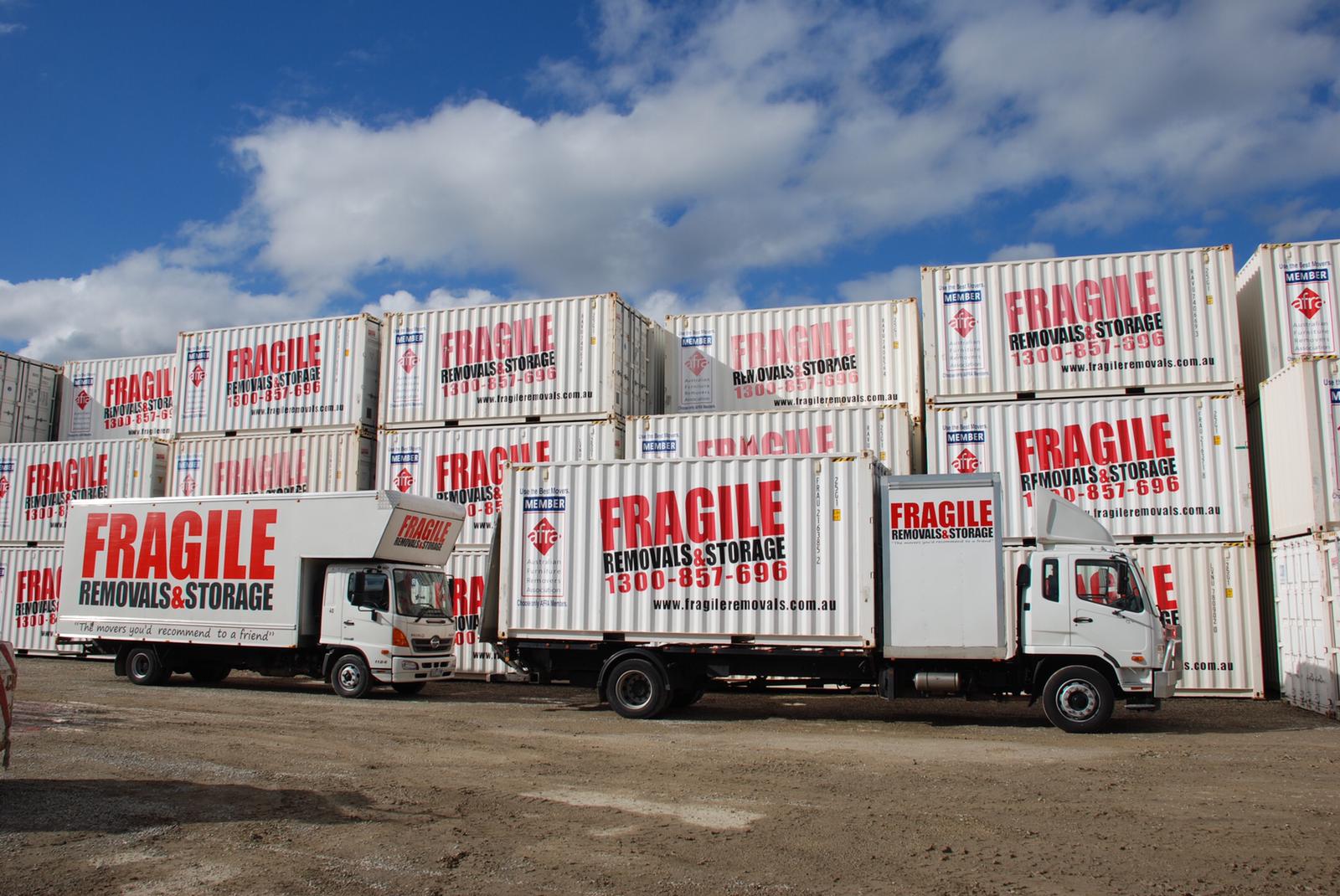
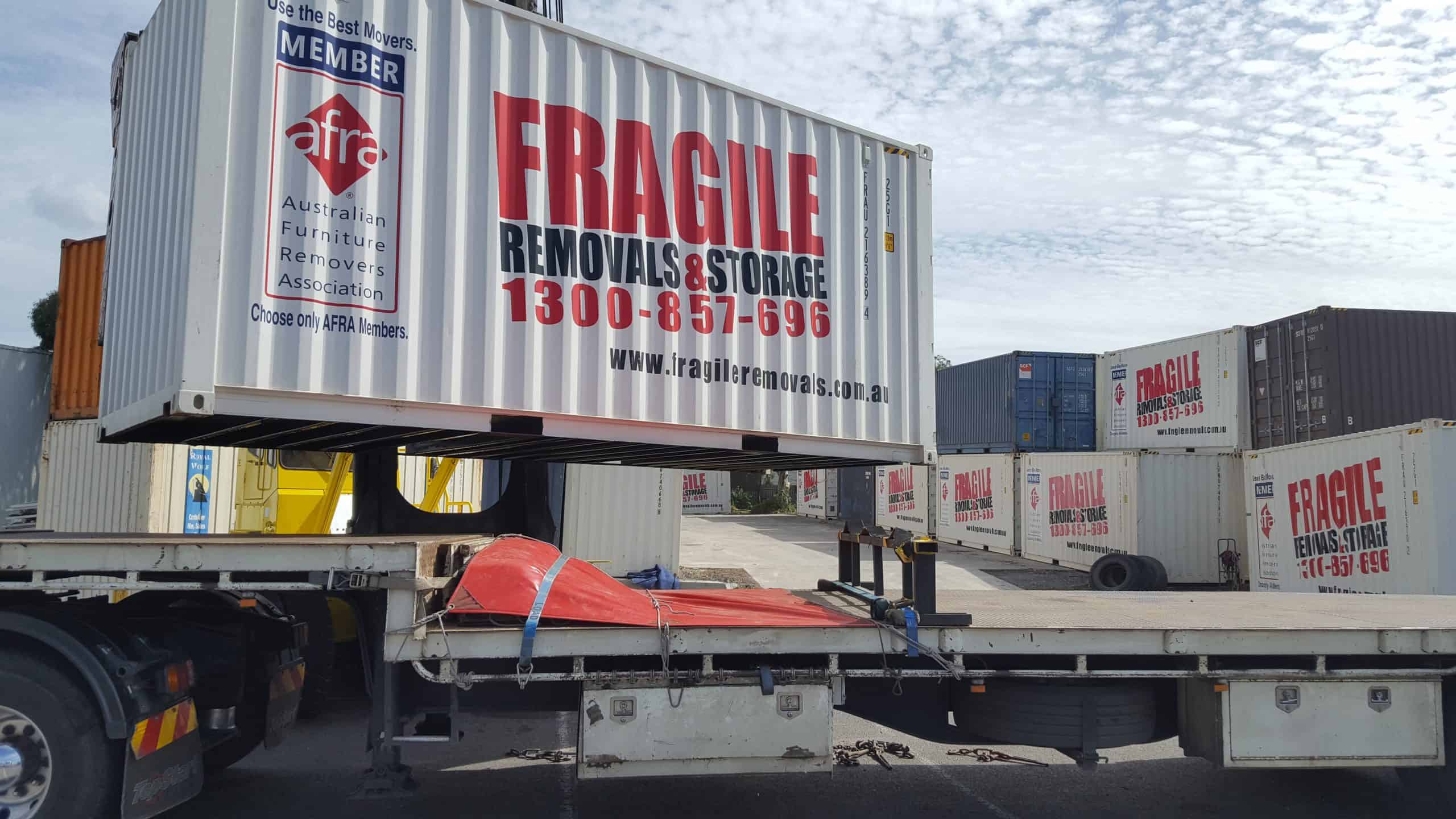
Interstate Removal Services
Choose an interstate service by the route, inventory, handling requirements and collection-to-delivery schedule. A driving-time estimate does not cover every loading, routing, storage and delivery step. Confirm the actual windows before planning a property handover or work start date around the move.
Fragile Removals describes packing, transport, dismantling, unpacking and reassembly as services to coordinate with the move. The team prepares a schedule for discussion with the customer. Agree the tasks and contact arrangements for your booking, including any after-hours support, rather than assuming every route has identical inclusions.
Select the starting city and destination
- From Melbourne: compare the services to Sydney, Brisbane and Perth.
- From Brisbane: compare Sydney, Melbourne and Perth.
- From Perth: compare Adelaide, Melbourne, Sydney and Brisbane.
- From Sydney: compare Brisbane, Melbourne and Perth.
- Gold Coast route options: discuss the listed destinations and the actual service; a Gold Coast–Brisbane journey remains within Queensland.
Compare route costs on the same assumptions
Use the interstate cost-guide index for published examples. The guides distinguish volume, property access, depot or metro allowances, specialist items, timing and optional services. A property-size table is a planning aid, not a binding price for every home in that category.
Give the same inventory and access information when comparing quotes. Check the minimum charge or volume, the collection and delivery windows and the treatment of additional packing, assembly or storage. Read the assumptions below a price table before applying it to a different suburb or property.
Choose what happens between addresses
If you cannot receive the goods immediately, compare storage before confirming delivery. Ask where the goods will be held, whether individual items can be accessed and how return delivery is arranged. Some route guides describe a complimentary storage period; confirm the current offer and any charges after it for your booking.
Discuss packing materials or a packing service if the load needs preparation. For sensitive items, use specialist removal planning to identify handling requirements before the quote. Vehicle or pet transport mentioned on route pages may involve a separate partner; confirm responsibility and timing for that service.
Avoid a timing mismatch
Treat collection, transit, storage and delivery as separate stages. Tell the coordinator about fixed lease dates, work deadlines or building access windows before booking. Keep essentials available for the whole expected gap and ask what happens if either property is not ready.
The company describes more than 20 years of removals experience and AFRA membership. Verify current membership and settle the actual crew, carrier and insurance arrangements through the quote and booking documents.
Prepare a quote that can be compared
Write down both addresses, the intended date and the full inventory. Identify heavy, fragile or unusually shaped items and explain the access at collection and delivery. Include stairs, lifts, restricted parking, long carries and any building conditions that affect the work.
Choose the tasks you want priced: packing, dismantling, loading, transport, storage, unloading, reassembly and unpacking are distinct parts of the plan. Confirm which are included and which require a separate arrangement. Do not assume that a broad service name means every task is included at every address.
Ask how the price is calculated and what assumptions could change it. An hourly rate, a fixed quote and an illustrative property-size range answer different questions. Compare the same inventory and scope across offers, including the handling and access information you have disclosed.
Use the detailed quote form to organise the load and access. How to Choose a Good Removalist explains how to compare responsibility, booking terms, insurance and possible changes as well as the headline price.
Match preparation to the items
If you are packing yourself, choose suitable cartons and protection and label the destination rooms. Identify special-care items for the crew. If a packing service is booked, confirm when it takes place, what materials are included and what the household or business must prepare beforehand.
Furniture and equipment may need different handling. Agree any dismantling and reassembly and use the relevant manufacturer or specialist instructions where necessary. Do not infer an appliance restart time, equipment calibration method or safe lifting arrangement from a general moving estimate.
Keep the essentials and documents you need during the transition accessible. For a delivery gap, plan for the actual collection-to-delivery period rather than only the first night. If goods will be stored, confirm whether you can retrieve particular items before the final delivery.
Confirm protection, responsibilities and changes
Ask who carries out each stage and who remains your contact. A description of in-house crews does not resolve the arrangement for every separately booked partner service. Keep the inventory, written quote and booking terms together so the people at collection and delivery have the same instructions.
Check the cover for your goods separately from the removalist's business insurance. Obtain the relevant policy information and clarify exclusions, excess and claims arrangements. Read moving and storage insurance before relying on a general statement that the move is insured.
If the inventory, date, access or required services change, ask the team to confirm the revised plan and any price effect. If delivery cannot proceed because the property is unavailable, discuss storage or redelivery before assuming it is included. At handover, check the agreed tasks and use the booking's reporting process to raise a concern.
The company describes more than 20 years of experience and more than 50,000 customers across its services. The service information refers to 24/7 support, while other pages describe an office staffed six days a week with after-hours dispatcher support. Confirm the contact arrangement for your move rather than assuming all enquiries are handled by the office at every hour. For enquiries, call 1300 857 696.
Record the route decision in a comparison sheet
Keep the answers for each proposed service side by side before selecting an option. Use the same inventory and access description for every quotation; otherwise a price difference may reflect a different job.
| Decision | Record for each option |
|---|---|
| Route | Collection and delivery suburbs, not only the city names |
| Schedule | Collection window, delivery window and which dates are confirmed |
| Packing | Self-packing, selected-item help or the agreed full packing scope |
| Storage | Where it occurs, access conditions and the return-delivery arrangement |
| Responsibility | The booking contact and who performs each stage |
| Price | Charging basis, inclusions and the conditions for changes |
If an answer remains unresolved, mark it as unresolved and ask the provider before treating that offer as complete. Keep the accepted version with the booking. A later change of address or inventory should prompt a revised comparison of the affected terms, not an assumption that the earlier city-to-city example still applies unchanged.
How do I choose the right service?
Begin with the collection and delivery suburbs, the volume and type of goods, and how fixed your dates are. A household move, an office relocation and a delicate-equipment delivery can use the same broad route while needing different packing and handling. Use the relevant route page for planning context, then obtain a quote for your actual inventory and access. Discuss storage if the properties are not available together and clarify any separately arranged vehicle or pet service. The route choice and the handling scope both need to fit the job.
Are all the listed tasks included automatically?
No. The interstate plan should state what happens at collection, during transit or storage, and at delivery. Ask whether packing, materials, dismantling, reassembly and unpacking are included, and identify any goods using a separate service or carrier. An advertised storage offer has its own conditions and does not automatically cover every delay. Similarly, a description of an insured service does not establish a policy for all belongings. Keep the accepted scope, schedule, responsibilities and protection arrangements together so inclusions can be checked against the actual booking.
What if my dates or access are uncertain?
Give the coordinator the constraints at both ends and distinguish confirmed dates from preferences. An interstate service needs collection and delivery windows, not only a road journey estimate. If key handover or access could slip, discuss storage and redelivery before departure, including the notice, access and costs involved. Keep essentials outside the main load for the expected gap. When dates change, update the booking contact promptly so transport, property access and any separate services are coordinated rather than making incompatible arrangements independently.
How should I compare interstate quotations?
Use the same inventory, addresses and access description for each quote, then compare the complete scope. Record the charging basis, any minimum, packing and materials, storage, collection and delivery windows, and who performs each stage. Check what could change the price, such as an increased load, different access or an added storage stop. A low rate per cubic metre or a broad bedroom-size estimate is not enough to compare offers that include different work. Keep unresolved questions visible until the provider answers them.
Why can an interstate delivery take longer than the driving time?
Collection, loading, scheduling, the service's route plan, possible storage and unloading all sit around the drive itself. Access or property readiness at either end can also affect when the goods can be handled. Ask for the collection and delivery windows for the proposed service and whether any date is confirmed rather than estimated. Plan the essentials you keep with you around that door-to-door period. Do not book a critical destination appointment solely on a map's driving time or another customer's timetable.
What needs special planning before goods cross state borders?
Identify plants, restricted products, sensitive equipment, valuables and anything you intend to send through a separate service. Acceptance by a removalist does not itself establish compliance with destination entry requirements for plants or other regulated items, so check the relevant official requirements for the actual goods and route. For equipment and fragile items, provide handling information and agree preparation before packing. Keep essential documents and items needed during transit accessible, and make sure the inventory distinguishes the truck load from anything travelling with you.
Images on This Page
-
https://www.fragileremovals.com.au/wp-content/uploads/2025/07/Logo.svg
Logo
-
https://www.fragileremovals.com.au/wp-content/uploads/2025/11/1eed24cc-b4ca-4f29-bbda-43a0eb3a1105.jpg
1eed24cc b4ca 4f29 bbda 43a0eb3a1105
-
data:image/svg+xml,%3Csvg%20xmlns='http://www.w3.org/2000/svg'%20viewBox='0%200%202560%201440'%3E%3C/svg%3E
20170329 134628 scaled
-
https://www.fragileremovals.com.au/wp-content/uploads/2025/11/20170329_134628-scaled.jpg
20170329 134628 scaled
-
data:image/svg+xml,%3Csvg%20xmlns='http://www.w3.org/2000/svg'%20viewBox='0%200%20182%20181'%3E%3C/svg%3E
local
-
https://www.fragileremovals.com.au/wp-content/uploads/2025/08/local.png
local
-
https://www.fragileremovals.com.au/wp-content/uploads/2025/08/interstate.png
interstate
-
https://www.fragileremovals.com.au/wp-content/uploads/2025/08/business.png
business
-
data:image/svg+xml,%3Csvg%20xmlns='http://www.w3.org/2000/svg'%20viewBox='0%200%20281%20286'%3E%3C/svg%3E
wom 2025 e1762125500246
-
https://www.fragileremovals.com.au/wp-content/uploads/2025/11/wom-2025-e1762125500246.png
wom 2025 e1762125500246
-
data:image/svg+xml,%3Csvg%20xmlns='http://www.w3.org/2000/svg'%20viewBox='0%200%20165%20166'%3E%3C/svg%3E
Award 2024
-
https://www.fragileremovals.com.au/wp-content/uploads/2025/07/Award-2024.png
Award 2024
-
data:image/svg+xml,%3Csvg%20xmlns='http://www.w3.org/2000/svg'%20viewBox='0%200%20166%20166'%3E%3C/svg%3E
Award 2023
-
https://www.fragileremovals.com.au/wp-content/uploads/2025/07/Award-2023.png
Award 2023
-
https://www.fragileremovals.com.au/wp-content/uploads/2025/07/Award-2022.png
Award 2022
-
https://www.fragileremovals.com.au/wp-content/uploads/2025/07/Award-2021.png
Award 2021
-
https://www.fragileremovals.com.au/wp-content/uploads/2025/07/Award-Customer-review.png
Award Customer review
-
data:image/svg+xml,%3Csvg%20xmlns='http://www.w3.org/2000/svg'%20viewBox='0%200%20300%20169'%3E%3C/svg%3E
Ashburton
-
https://www.fragileremovals.com.au/wp-content/uploads/2025/08/Ashburton-300x169.jpg
Ashburton
-
https://www.fragileremovals.com.au/wp-content/uploads/2025/08/Gardenvale-300x169.jpg
Gardenvale
-
https://www.fragileremovals.com.au/wp-content/uploads/2025/08/Bankstown-300x169.jpg
Bankstown
-
https://www.fragileremovals.com.au/wp-content/uploads/2025/08/Oakleigh-300x169.jpg
Oakleigh
-
data:image/svg+xml,%3Csvg%20xmlns='http://www.w3.org/2000/svg'%20viewBox='0%200%20109%20217'%3E%3C/svg%3E
AFRA Member
-
https://www.fragileremovals.com.au/wp-content/uploads/2025/07/member.png
AFRA Member
-
data:image/svg+xml,%3Csvg%20xmlns='http://www.w3.org/2000/svg'%20viewBox='0%200%20156%2025'%3E%3C/svg%3E
5-star
-
https://www.fragileremovals.com.au/wp-content/uploads/2025/08/5-star.svg
5-star
-
data:image/svg+xml,%3Csvg%20xmlns='http://www.w3.org/2000/svg'%20viewBox='0%200%2022%2021'%3E%3C/svg%3E
1-star
-
https://www.fragileremovals.com.au/wp-content/uploads/2025/08/1-star.svg
1-star
-
data:image/svg+xml,%3Csvg%20xmlns='http://www.w3.org/2000/svg'%20viewBox='0%200%20240%20340'%3E%3C/svg%3E
bg pattern2
-
https://www.fragileremovals.com.au/wp-content/uploads/2025/08/bg-pattern2.png
bg pattern2
-
data:image/svg+xml,%3Csvg%20xmlns='http://www.w3.org/2000/svg'%20viewBox='0%200%20254%2091'%3E%3C/svg%3E
(no alt text)
-
https://www.fragileremovals.com.au/wp-content/uploads/2025/07/footer-logo.svg
(no alt text)