Moving advice: find the guide you need
Our guides help you plan household and business moves, compare quotes, prepare belongings and organise delivery. Browse the complete topic index below or start with choosing a removalist, the moving-house checklist and the moving timeline.
Use cost and timing examples for planning, then request an estimate for your inventory, addresses, access and dates. For appliances and specialist equipment, follow the manufacturer’s instructions. For location choices and funding questions, check current address-specific or official information before committing.
Prepare your household
- Moving House Checklist
- Document Storage
- How to Connect Electricity to Your New House When Moving
- How to move a piano
- How to move plants
- How to move with pets
- Moving House – Top 4 Money Saving Tips
- How to Move House With Kids
- 5 Tips for Protecting Fragile Items When Moving House
Plan and compare a move
- Three ways to avoid headaches during your next move
- Four ways to stay green during your next move
- 4 Ways To Avoid Damages While Moving
- 5 Essential things to do before moving
- 5 Tips for decluttering before a move
- 5 tips to make moving house easier
- Can moving affect your credit score?
- Can the NDIS help with moving house?
- Can you take solar panels with you?
- Cubic metres of common household goods
- Easiest ways to donate furniture before moving
- How Long Does It Take to Move House?
- How long does it take to pack up a house?
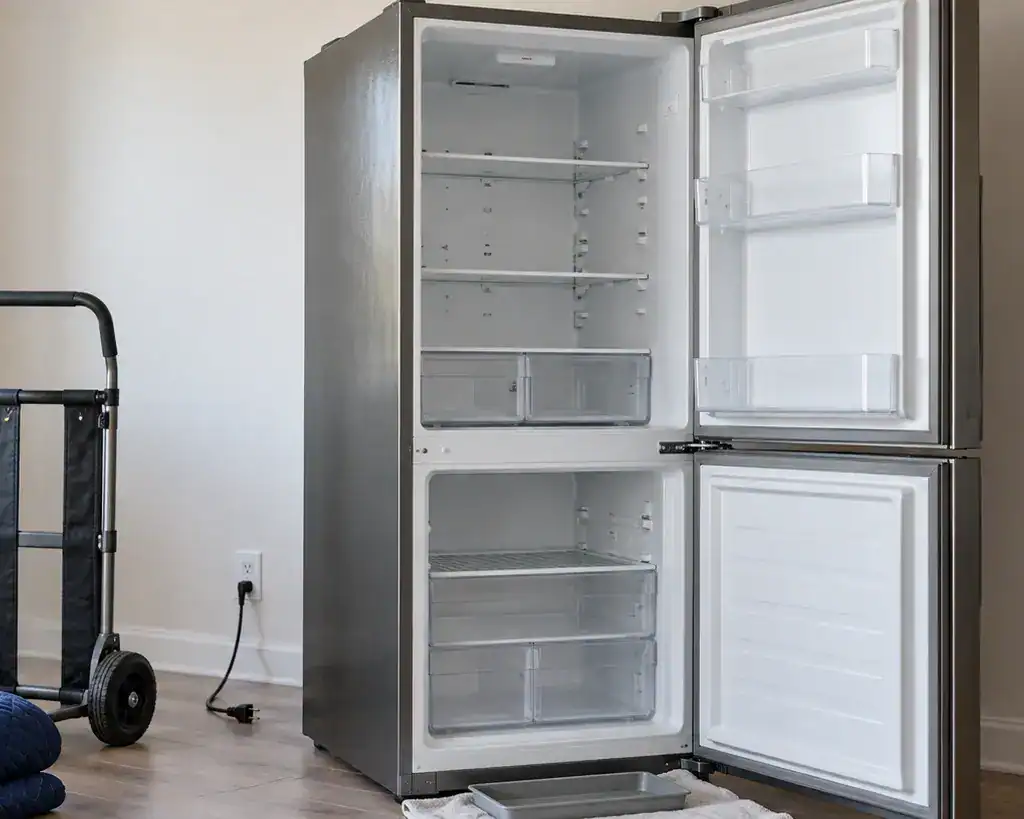
- How long should your fridge be turned off before moving?
- How to Choose a Good Removalist
- How To Find The Best Removalists In Perth
- How to make your move stress free
- How to measure your furniture in cubic metres
- How to minimise the impact of moving on your pets
- How to move and protect paintings
- How to move a trampoline
- How to move heavy furniture
- How to move house efficiently
- How to pack a messy house
- How to pack electronics before moving
- How to pack your boxes like a pro
- How to pack your kitchen efficiently
- How to prepare your home for removalists
- How to relocate an office
- Items easily left behind during a move
- Moving box sizes explained
- Moving House Checklist
- Packing glasses and plates
- Questions to ask when hiring interstate movers
- Things you shouldn’t pack when moving and why
- Four checks before booking a moving company
- Five things to remember while moving
- What are the best boxes for moving?
- What Is The Best Way To Transport Gym Equipment?
- What Is The Cost Of A Removalist Moving Your Furniture To Perth?
- What Is The Most Cost-Effective Way To Move Interstate?
- What to leave behind when moving
- Why hire commercial movers?
- Why use a professional furniture removalist?
Compare cities and suburbs
- 5 reasons to move to Perth
- Best places to live in Adelaide
- Best places to live in Brisbane
- Best places to live in Melbourne
- Best places to live in Perth
- Best Suburbs to Live in Brisbane: A Relocation Guide
- Best suburbs to move to in Adelaide
- Best suburbs to move to in Melbourne
- Best suburbs to move to in Perth
- Cost of living in Adelaide
- Cost of living in Brisbane
- Cost of living in Melbourne
- Cost of living in Perth
- Things To Consider If You Are Moving Home To Perth
- Why you should consider moving to Brisbane
Interstate cost guides
- Cost of Moving from Melbourne to Brisbane
- Cost of Moving from Melbourne to Perth
- Cost of Moving from Perth to Adelaide
- Cost of Moving from Perth to Brisbane
- Cost of Moving from Perth to Melbourne
- Cost of Moving from Perth to Sydney
- Cost of Moving from Sydney to Perth
Advice categories
Reading figures in a guide: check the date
Several guides here quote property values, rents or cost ranges. Any such figure is only meaningful with the date it was published and the source that published it, because housing and rental markets move month to month and week to week. Where we publish a figure we name the publisher and the as-at date next to it. If you find a figure anywhere without those two things, treat it as background rather than as a number to budget against, and check the publisher directly before you rely on it.
A reading order for an interstate move
Interstate moves have more moving parts than a local one, so the guides work best in sequence. Start with the route cost guide for your city pair to get the shape of the budget, then the checklist for the timeline, then the guides for anything that needs a decision of its own — plants, pets, a piano, a vehicle. Read the insurance material before you pack rather than after, because what you pack yourself can affect how a claim is handled. Finish with the change-of-address guide, which has the longest tail of small tasks.
Which guides cover packing, and which cover transport
It helps to know which half of the job you are reading about. The packing guides deal with materials, carton sizes, protecting fragile items and room-by-room method. The transport guides deal with access, volume, loading, timing and delivery windows. The two meet at the inventory: what you pack and how you pack it determines the volume, and the volume determines the vehicle and the crew. If you only read one pair, read a packing guide and a volume guide together.
Using the guides alongside a written quote
A guide describes how this kind of work is usually priced and organised. Your quote describes your job. Where the two differ, the quote governs, and the useful next step is to ask which assumption changed — volume, access, locations, timing or an optional service. Read a guide to work out what questions to ask, then put those questions in writing with the inventory, dates and access details attached. Keep the answers with the booking documents so the agreed position is recorded in one place.
When a guide cannot answer your question
No general article can confirm availability on your date, judge whether a vehicle suits your driveway, interpret a particular insurance policy or price an unusual item. Those need your actual details assessed. If you have read the relevant guide and still have an open question, the quickest path is to send the specific circumstances rather than the general question, because the answer almost always depends on the inventory, the access at both ends and the dates you can work with.
Services and next steps
For the work itself, compare local removals, interstate removals, business relocation, packing materials and storage. Our change-of-address checklist helps organise notifications.
Call 1800 500 584 or request a detailed quote with your inventory, addresses, dates and access information.
For all local area and service pages, use our full website directory.
Which guide should I read before asking for quotes?
Start with How to Choose a Good Removalist before comparing headline prices. It explains how inventory, access, travel, optional services, responsibility and booking terms affect what you are buying. Assemble the same information for every company: both addresses, dates, the intended load, stairs or lift restrictions and the packing or storage you need. Then use the moving timeline to check whether the proposed schedule is workable. The result should be comparable written offers, not a choice based only on an hourly rate or a general service description.
Which guide explains move-day duration?
How Long Does It Take to Move House? separates planning and packing from loading, travel and unloading. Use its home-size examples as a starting point, then account for the actual inventory, the proposed crew, stairs, lifts, long carries and preparation still to be done. An interstate job also needs a collection-to-delivery plan rather than just a moving-day estimate. Ask the provider to explain its assumptions before arranging a tightly timed handover. Keep essential belongings accessible for the period in which the main load will be unavailable.
Where can I find model-specific fridge instructions?
The fridge preparation guide explains the questions to resolve, but the instructions for your particular model should govern transport position and restart timing. Find the model details and consult the manufacturer's information, especially if the fridge has water connections or may need to travel other than upright. Plan emptying, defrosting and drying before pickup; that preparation period is a different issue from waiting after delivery. Tell the removalist about the dimensions and access route, and arrange any technical work that is outside the moving scope.
Does the NDIS article establish that my move will be funded?
No. A general article, a removalist quote and a suitable moving plan do not themselves establish NDIS funding. The NDIS moving guide explains the need to discuss the specific expense and circumstances with the appropriate NDIA contact before committing to costs you expect to be funded. It also helps plan access, mobility equipment, support-worker timing and essentials that must remain available. Keep the funding decision separate from choosing the removal service, and use the current official guidance and written advice relevant to your request.
Which guides should I use once the removalist is booked?
Work from the tasks that remain unresolved. Use the moving-house checklist to allocate dates and responsibilities, the packing guides to choose suitable methods and materials, and the appliance or specialist-item guide for anything requiring its own instructions. Check access at both properties and the collection and delivery windows. Keep an essentials list and an inventory of what travels separately. If the preparation or property arrangements change, tell the coordinator before move day rather than assuming a booked transport service absorbs extra work automatically.
How should I use the city and cost articles?
Treat them as planning context rather than a quote or a property recommendation for your circumstances. Check the date, locations, inventory and access assumptions behind a moving-cost example. For a suburb or cost-of-living article, verify the current information for the actual address and your household's needs. Once you select a property, provide its access details to the removalist. The next step is an address-specific moving plan and written estimate, not an assumption that every household in a city fits the same example.
Which services can you compare when deciding on next steps?
For the work itself, compare local removals, interstate removals, business relocation, packing materials and storage. Our change-of-address checklist helps organise notifications. Call 1800 500 584 or request a detailed quote with your inventory, addresses, dates and access information.
How should I treat a figure quoted in one of these guides?
Several guides here quote property values, rents or cost ranges. Any such figure is only meaningful with the date it was published and the source that published it, because housing and rental markets move month to month and week to week. Where we publish a figure we name the publisher and the as-at date next to it. If you find a figure anywhere without those two things, treat it as background rather than as a number to budget against, and check the publisher directly before you rely on it.
In what order should I read the guides for an interstate move?
Interstate moves have more moving parts than a local one, so the guides work best in sequence. Start with the route cost guide for your city pair to get the shape of the budget, then the checklist for the timeline, then the guides for anything that needs a decision of its own — plants, pets, a piano, a vehicle. Read the insurance material before you pack rather than after, because what you pack yourself can affect how a claim is handled. Finish with the change-of-address guide, which has the longest tail of small tasks.
Which guides cover packing, and which cover transport?
It helps to know which half of the job you are reading about. The packing guides deal with materials, carton sizes, protecting fragile items and room-by-room method. The transport guides deal with access, volume, loading, timing and delivery windows. The two meet at the inventory: what you pack and how you pack it determines the volume, and the volume determines the vehicle and the crew. If you only read one pair, read a packing guide and a volume guide together.
How do the guides relate to my written quote?
A guide describes how this kind of work is usually priced and organised. Your quote describes your job. Where the two differ, the quote governs, and the useful next step is to ask which assumption changed — volume, access, locations, timing or an optional service. Read a guide to work out what questions to ask, then put those questions in writing with the inventory, dates and access details attached. Keep the answers with the booking documents so the agreed position is recorded in one place.
What should I do when a guide cannot answer my question?
No general article can confirm availability on your date, judge whether a vehicle suits your driveway, interpret a particular insurance policy or price an unusual item. Those need your actual details assessed. If you have read the relevant guide and still have an open question, the quickest path is to send the specific circumstances rather than the general question, because the answer almost always depends on the inventory, the access at both ends and the dates you can work with.
Images on This Page
-
https://www.fragileremovals.com.au/wp-content/uploads/2025/07/Logo.svg
Logo
-
https://www.fragileremovals.com.au/wp-content/uploads/2026/10/How-long-should-your-fridge-be-turned-off-before-moving_.webp
Empty fridge standing open and unplugged beside an appliance trolley, with moving blankets and a drip tray ready for defrosting before a move.
-
https://www.fragileremovals.com.au/wp-content/uploads/2026/09/best-suburbs.png
Queenslander home in a leafy Brisbane suburb overlooking the city skyline
-
https://www.fragileremovals.com.au/wp-content/uploads/2025/04/How-To-Prepare-Your-Home-For-Removalists.jpg
(no alt text)
-
data:image/svg+xml,%3Csvg%20xmlns='http://www.w3.org/2000/svg'%20viewBox='0%200%203000%202000'%3E%3C/svg%3E
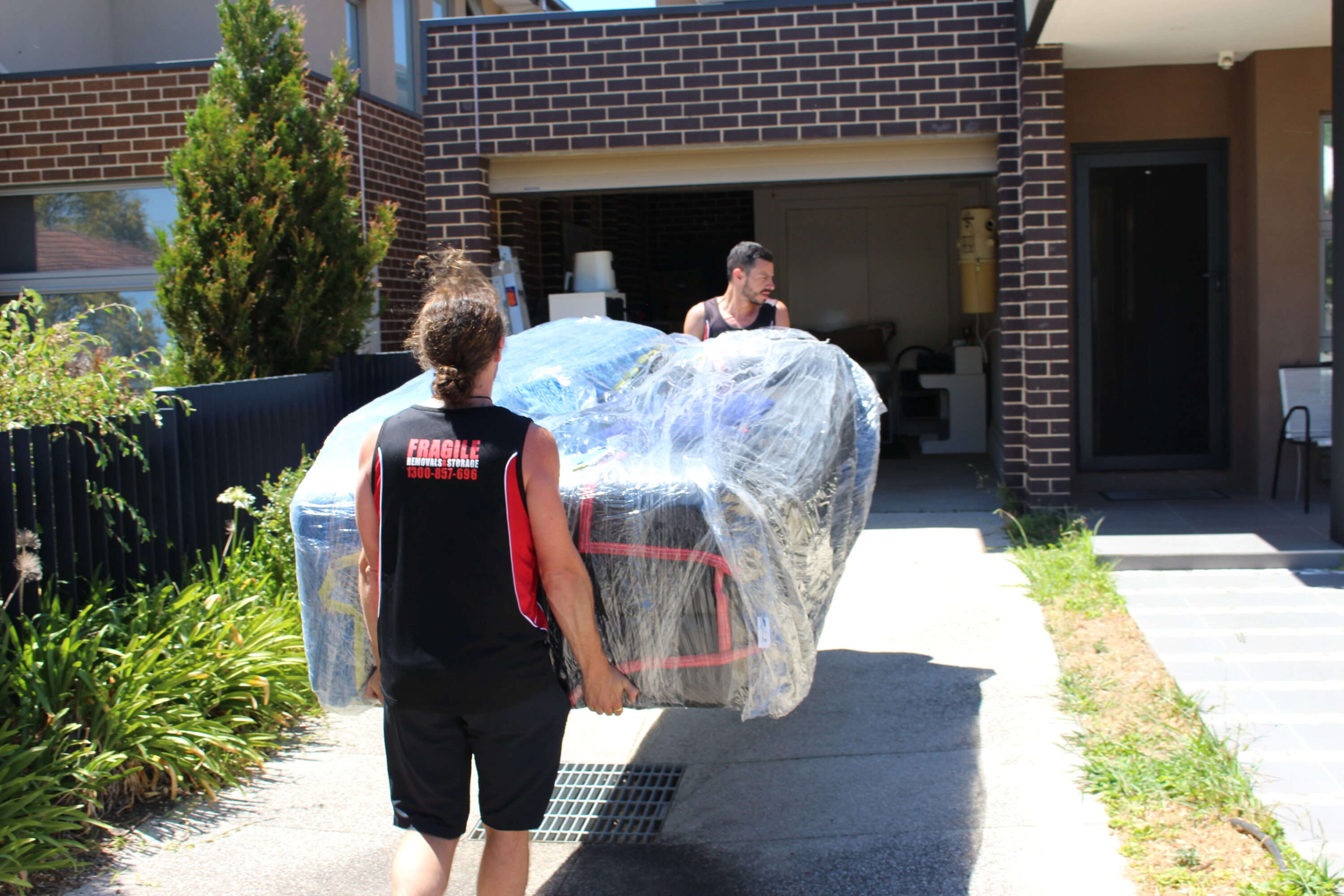
how long does it take to move house – removal truck loaded with furniture and boxes, with packed cartons staged on the driveway ready for loading and transport
-
https://www.fragileremovals.com.au/wp-content/uploads/2026/04/IMG_3734-scaled.jpg
how long does it take to move house – removal truck loaded with furniture and boxes, with packed cartons staged on the driveway ready for loading and transport
-
data:image/svg+xml,%3Csvg%20xmlns='http://www.w3.org/2000/svg'%20viewBox='0%200%201707%202560'%3E%3C/svg%3E
(no alt text)
-
https://www.fragileremovals.com.au/wp-content/uploads/2025/11/Oak-19-scaled.jpg
(no alt text)
-
data:image/svg+xml,%3Csvg%20xmlns='http://www.w3.org/2000/svg'%20viewBox='0%200%202485%201663'%3E%3C/svg%3E
(no alt text)
-
https://www.fragileremovals.com.au/wp-content/uploads/2025/11/599.jpg
(no alt text)
-
data:image/svg+xml,%3Csvg%20xmlns='http://www.w3.org/2000/svg'%20viewBox='0%200%20156%2025'%3E%3C/svg%3E
5-star
-
https://www.fragileremovals.com.au/wp-content/uploads/2025/08/5-star.svg
5-star
-
data:image/svg+xml,%3Csvg%20xmlns='http://www.w3.org/2000/svg'%20viewBox='0%200%2022%2021'%3E%3C/svg%3E
1-star
-
https://www.fragileremovals.com.au/wp-content/uploads/2025/08/1-star.svg
1-star
-
data:image/svg+xml,%3Csvg%20xmlns='http://www.w3.org/2000/svg'%20viewBox='0%200%20240%20340'%3E%3C/svg%3E
(no alt text)
-
https://www.fragileremovals.com.au/wp-content/uploads/2025/08/bg-pattern2.png
(no alt text)
-
data:image/svg+xml,%3Csvg%20xmlns='http://www.w3.org/2000/svg'%20viewBox='0%200%20254%2091'%3E%3C/svg%3E
(no alt text)
-
https://www.fragileremovals.com.au/wp-content/uploads/2025/07/footer-logo.svg
(no alt text)
-
data:image/svg+xml,%3Csvg%20xmlns='http://www.w3.org/2000/svg'%20viewBox='0%200%20109%20217'%3E%3C/svg%3E
AFRA Member
-
https://www.fragileremovals.com.au/wp-content/uploads/2025/07/member.png
AFRA Member