Removals and storage planned around your move
Fragile Removals & Storage helps households and businesses move locally and interstate, with packing, unpacking and storage support when the job needs more than a truck. Start with where you are moving, what needs to travel and when you can collect and receive it. Those details determine the service, access arrangements and quote that will work for you.
We are Australian owned and operated, with services across Melbourne, Sydney, Brisbane and Perth and routes connecting Australian cities and regional areas. Our published service credentials include AFRA accreditation, more than 20 years of experience, in-house staff and over 6,000 relocations each year. More than 50,000 customers have used our services. Confirm the crew, route and dates for your particular booking when requesting a quote.
If you are still comparing providers, start with how to choose a good removalist. If you already know who is moving you, use the moving timeline to work back from collection day. For a written quote, send your move details or call 1800 500 584.
Choose the service that fits the job
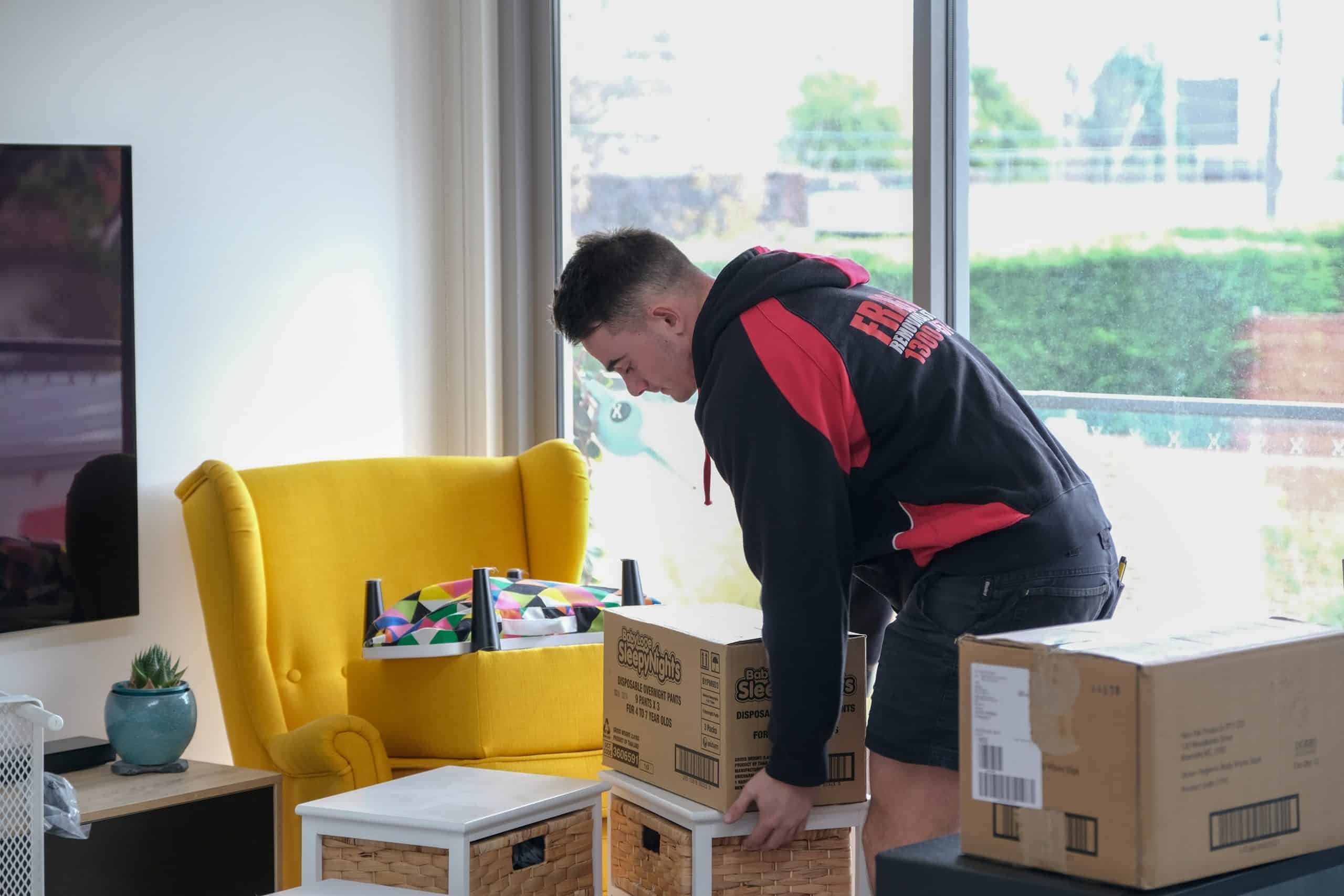
Moving within your city
A local move needs a practical plan for loading, travel and unloading at both addresses. The amount of furniture is only part of the job. Stairs, lifts, narrow doorways, long carries and truck parking can change how the move is organised and how long it takes. Tell the team about these before a crew or vehicle is allocated.
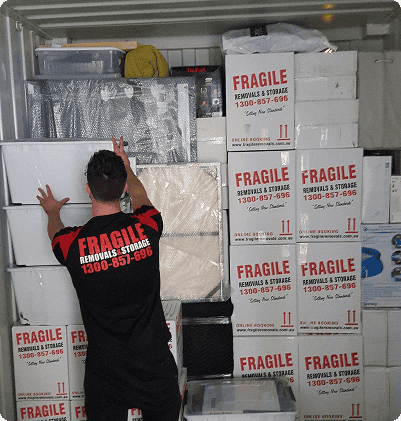
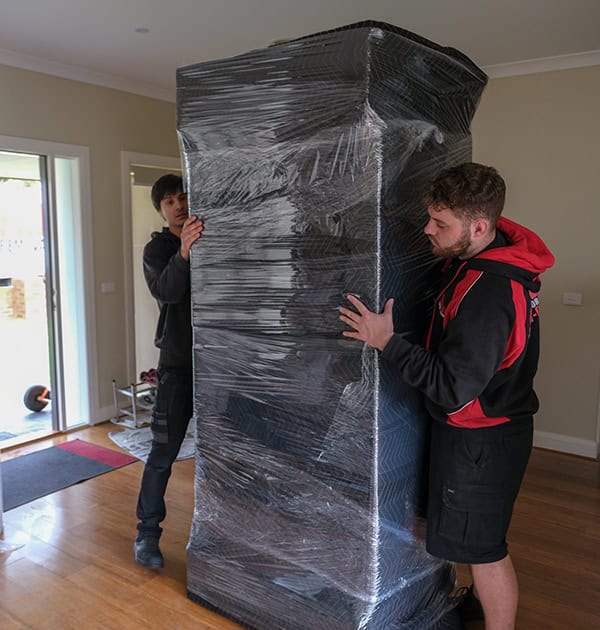
Our local removal service covers loading, transport and furniture positioning. The equipment described for our moves includes purpose-built trucks, trolleys, dollies, furniture pads and dismantling tools. Protective pads are used to help protect furniture and access areas. Ask which preparation and dismantling tasks belong to you and which are included in your booking; do not assume every optional task is part of a basic rate.
Moving interstate
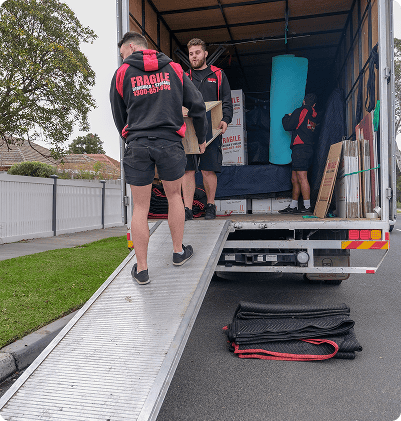
Interstate moving adds transit and delivery coordination to the collection-day work. Your belongings may be away from you for days or longer, depending on the route and agreed service. Ask for collection and delivery windows, an explanation of how the goods travel, and a contact for questions while they are in transit.
A useful interstate plan also deals with the gap between leaving the old home and receiving the load. Decide what travels with you, where you will stay and whether storage is needed. An inventory and condition record are particularly useful when belongings remain in the removalist's care for an extended journey. Local move-day estimates should not be treated as interstate delivery promises.
Relocating a business
Business moves can involve offices, retail premises, factories and other workplaces. The planning starts with the inventory, access at each property and the timing constraints around the relocation. Describe bulky furniture and equipment early, and identify anything that needs dismantling, additional handling or coordination before collection.
Use an agreed item list and destination plan to explain what belongs at the new premises and where it should go. A general household estimate is not a substitute for describing the business job. Discuss a business relocation so the proposed service can be matched to your actual premises and equipment.
Adding storage between addresses
Storage is useful when collection and delivery dates do not line up, or when a renovation or decluttering project requires items to be kept elsewhere. Identify which items are going into storage, how long you expect to need it and when you may want them returned. These choices should be part of the move plan rather than an assumption made once the truck is loaded.
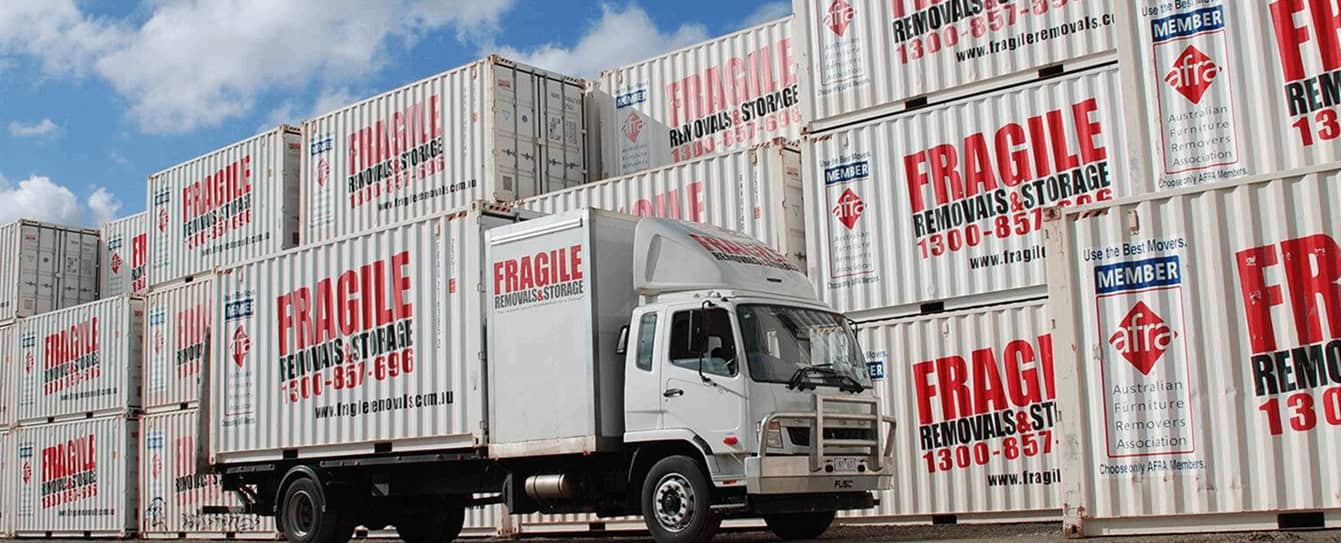
Fragile Removals offers storage services and advertises a mobile storage option in which a module is delivered, packed and collected for storage. Ask whether that option is suitable for your location and access, who will pack it and what the collection and return arrangements are. Explore storage options and request the applicable terms and quote. Published price tables do not replace a quote for your city and storage requirement.
Choosing packing and unpacking support
Packing can be a full service or a selected part of the move. Tell the team whether you want the entire home packed, particular rooms completed, or help with fragile items. This is also the time to discuss unpacking at delivery. Confirm the scope in writing so the crew and household are working to the same list.
The packing materials described for our services include double-wall cartons, mattress bags, stretch covers, protective wrapping and custom crates where required. Boxes, tape and bubble wrap can also be discussed as part of preparation. The material and method should suit the item; a generic claim that everything will fit in an ordinary box is not a packing plan. Ask about packing materials and support before buying supplies or leaving the job until the final evening.
What to include in your quote request
Give the same practical information to each company you are comparing. Include pickup and delivery addresses, your preferred dates, the approximate inventory, and access details at both ends. Mention garages, sheds, outdoor furniture and stored belongings as well as the main rooms. These are easy to miss when a quote is based on a quick description of bedroom count.
List heavy, fragile or unusually shaped items separately. Pianos, large artwork, antique furniture, large televisions and refrigerators can change the handling plan. Explain whether there are stairs or lifts, whether a lift must be reserved, how close a truck can park, and whether there are narrow corners or doors. A video walkthrough or inspection may be useful for a large or complicated move.
Ask whether the quote is hourly or fixed, when chargeable time begins and ends, and which travel charges or minimum hours apply. Check packing materials, dismantling, reassembly, difficult access and extra services. Our quoting information describes labour, travel and optional extras; make sure the written quote for your booking identifies the inclusions and the circumstances that could change its final amount.
Plan the move from booking to delivery
Agree the scope and itinerary
The process begins with your move details and a quote, followed by confirmation of timings, parking and special items. Our service information describes a room-by-room inventory and a timed move plan. Use that conversation to confirm what you need to do before the crew arrives, who your contact is and how changes will be handled.
The website describes a one-business-day estimate response. If a date is urgent, speak to the team directly rather than relying on a general response-time statement. Availability, the work needed to assess a complicated job and the final booking arrangements still need confirmation.
Prepare rooms, access and essentials
Pack and label the belongings you have agreed to prepare yourself. Mark destination rooms so boxes can be placed sensibly at delivery. Clear the route from rooms to the exit, and make sure the removalist knows about difficult access before moving day. If you are dismantling furniture, keep the fittings with the relevant pieces and tell the crew what has already been done.
Keep an essentials bag with you. The moving timeline recommends chargers, toiletries, a change of clothes, medication and food for the immediate period. Interstate customers need to plan that bag around the delivery window, not just the first night. Our five things to remember guide connects access checks, packing and the final handover.
Check collection and placement at delivery
Walk through the property with the crew and point out the items requiring particular care. Confirm the inventory and collection paperwork. Let the crew organise the loading sequence, and keep the contact details for the move accessible while you travel separately.
At delivery, explain furniture placement and which rooms should receive each group of boxes. Confirm any agreed unpacking or storage arrangements. The service information describes furniture positioning and optional unpacking, with empty-carton collection or recycling discussed as part of the service. Check what has been included in your booking rather than assuming every after-move task is automatic.
Check protection, insurance and booking terms
Handling equipment and protective materials help organise a move, but insurance needs its own conversation. Do not assume that a statement such as “insured” means every item is covered for every kind of loss or damage. Ask what cover applies to your belongings, whether it is included or optional, and what exclusions and claims procedures apply.
The site describes both optional comprehensive cover and transit insurance within its service inclusions. Because those descriptions differ, obtain written confirmation of the arrangement for your booking. Read the applicable policy and booking terms, including deposits, cancellation, rescheduling and payment deadlines. Use the insurance information as a starting point for that conversation, not as proof of the cover on an unconfirmed booking.
Prepare the items that need a separate decision
A fridge needs food planning, defrosting, drying, protection of loose components and model-specific transport instructions. Work backwards from pickup time and check the manufacturer's instructions before disconnecting water connections, laying the appliance down or switching it on at the destination. Our fridge-moving guide separates preparation time from the settling time after transport.
If you are choosing a Brisbane address, check the practical features of the property as well as the suburb. Stairs, steep driveways, loading space and apartment lift arrangements affect delivery. The Brisbane relocation guide also explains address-level checks for commuting, schools and flooding.
For disability-related moves, discuss equipment, access, the role of support workers and continuity of everyday essentials before booking. NDIS funding is not automatic. Our NDIS moving guide explains the questions to take to the NDIA and the details to give a removalist.
Take the next step
A useful first conversation is specific: where you are going, what needs to move, when you need collection and delivery, and what could make access difficult. If any of those details change, tell the team and ask for the effect on timing and price to be confirmed.
Request a free quote or call 1800 500 584. You can also use the moving advice index to work through the decisions in order, from comparing quotes to preparing appliances and receiving your belongings.
Which locations does Fragile Removals serve?
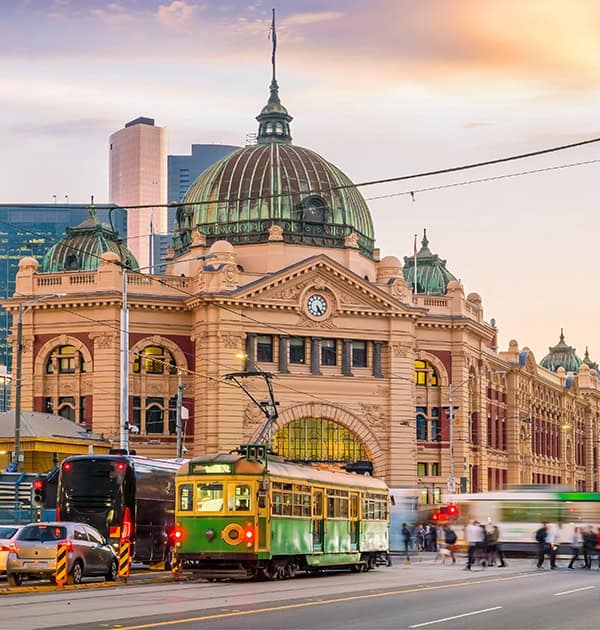
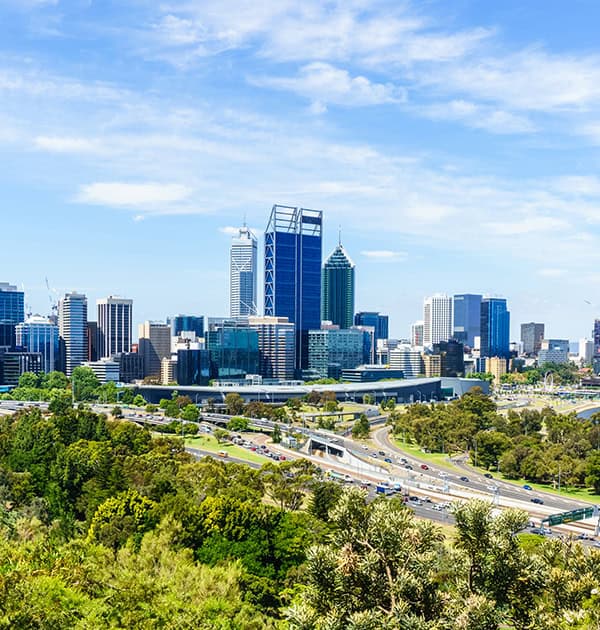
Fragile Removals describes local services around Melbourne, Sydney, Brisbane and Perth, together with interstate moves connecting Australian cities and regional destinations. Give the actual collection and delivery suburbs when you enquire: a city service page does not establish availability for every address or date. Explain whether you need a same-city move, an interstate delivery, packing or a storage stop. That allows the team to assess the route and access together and provide collection and delivery arrangements for the particular job.
Can I book packing and storage as well as transport?
Yes. Packing, unpacking and storage can be discussed alongside transport, but each needs a defined scope. Identify whether you want the whole home packed, only fragile or awkward items prepared, or materials for self-packing. For storage, explain how long you expect the gap to last and whether you need to retrieve anything during it. Ask the quote to identify the packing work, materials, storage arrangement, access and return delivery separately so you can see what is included and what you still need to organise.
What information is needed for a quote?
Provide both addresses, preferred dates, a room-by-room inventory and the access at each property. Include stairs, lifts, parking restrictions, the distance from the truck to the door, and large or delicate items that may need special handling. List packing, dismantling, storage, reassembly and unpacking you want included. If the new address or handover date is uncertain, identify that rather than giving an assumption as a confirmed fact. The detailed quote form helps assemble this information; keep the accepted inventory and scope with your booking.
Is transit insurance automatically included?
Do not assume it is included simply because a removal service is described as insured. Establish what protection applies to your goods during collection, transit, any storage period and delivery. Ask for the provider and relevant policy documents, then check the items covered, exclusions, excess and process for reporting loss or damage. The site uses different wording for included and optional cover, so settle the arrangement for your booking before relying on it. A promise to remedy damage is a separate issue from the terms of an insurance policy.
How should I prepare for an interstate delivery gap?
Plan for the whole period from collection to delivery, not just the driving time between cities. Keep essential documents, medication, chargers, work items and sufficient everyday belongings outside the main load. Confirm when you can access the destination and whether storage is needed if the dates do not align. If you expect to retrieve items while stored, discuss that before the load is packed. Agree the collection and delivery windows, who updates you, and what happens to timing and cost if keys or property readiness change.
What equipment and packing materials are described for moves?
The company describes maintained trucks for different loads, trained moving crews and packing assistance. Its guides cover cartons, packing paper, bubble wrap, suitable inserts and specialist formats such as picture, TV and wardrobe boxes. Those descriptions are not a universal vehicle capacity or a current stock list. Tell the team the dimensions, weight information and handling requirements of unusual items, and ask how the proposed vehicle, protection and equipment suit them. Confirm the materials supplied and any dismantling or specialist work as part of the quote.
How do I choose between local, interstate and specialist removal services?
Start with the journey and the goods. A local household move needs an inventory and a plan for access at both properties; an interstate move also needs separate collection, transit and delivery arrangements. Delicate artwork, pianos, gym machines or equipment with technical requirements may need specialist preparation regardless of distance. Use the relevant service page to identify the questions for that job, then request a combined scope if it involves packing or storage. Selecting a service name alone does not book every associated task.
What happens if the move changes after I accept a quote?
Tell the coordinator as soon as the inventory, dates, address, access or required services change. Describe the specific difference—for example, an added storage stop, an unavailable lift or furniture that now needs dismantling—and ask how it affects the resources, schedule and price. Keep the revised agreement with the original quote so everyone works from the same instructions. At collection and delivery, have an available contact who can explain the agreed scope and raise a problem before work proceeds on an incorrect assumption.
Images on This Page
-
https://www.fragileremovals.com.au/wp-content/uploads/2025/07/Logo.svg
Logo
-
https://www.fragileremovals.com.au/wp-content/uploads/2025/12/Move-With-Us-new.webp
Move With Us new
-
https://www.fragileremovals.com.au/wp-content/uploads/2025/11/wom-2025-e1762125500246.png
wom 2025 e1762125500246
-
https://www.fragileremovals.com.au/wp-content/uploads/2025/07/Award-2024.png
Award 2024
-
https://www.fragileremovals.com.au/wp-content/uploads/2025/07/Award-2023.png
Award 2023
-
https://www.fragileremovals.com.au/wp-content/uploads/2025/07/Award-2022.png
Award 2022
-
https://www.fragileremovals.com.au/wp-content/uploads/2025/07/Award-2021.png
Award 2021
-
https://www.fragileremovals.com.au/wp-content/uploads/2025/07/Award-Customer-review.png
Award Customer review
-
data:image/svg+xml,%3Csvg%20xmlns='http://www.w3.org/2000/svg'%20viewBox='0%200%201341%20543'%3E%3C/svg%3E
Fragile Removals Storage Turns
-
https://www.fragileremovals.com.au/wp-content/uploads/2025/11/Fragile-Removals-Storage-Turns.jpg
Fragile Removals Storage Turns
-
data:image/svg+xml,%3Csvg%20xmlns='http://www.w3.org/2000/svg'%20viewBox='0%200%202560%201707'%3E%3C/svg%3E
Local Removals
-
https://www.fragileremovals.com.au/wp-content/uploads/2025/07/Local-Removals-scaled.jpg
Local Removals
-
data:image/svg+xml,%3Csvg%20xmlns='http://www.w3.org/2000/svg'%20viewBox='0%200%20401%20421'%3E%3C/svg%3E
Interstate Removals
-
https://www.fragileremovals.com.au/wp-content/uploads/2025/07/Interstate-Removals.png
Interstate Removals
-
https://www.fragileremovals.com.au/wp-content/uploads/2025/08/Business-Relocations.png
Business Relocations
-
https://www.fragileremovals.com.au/wp-content/uploads/2025/08/Secure-Storage.png
Secure Storage
-
data:image/svg+xml,%3Csvg%20xmlns='http://www.w3.org/2000/svg'%20viewBox='0%200%20600%20630'%3E%3C/svg%3E
Professional Packing & unpacking
-
https://www.fragileremovals.com.au/wp-content/uploads/2025/08/Professional-Packing-unpacking.jpg
Professional Packing & unpacking
-
data:image/svg+xml,%3Csvg%20xmlns='http://www.w3.org/2000/svg'%20viewBox='0%200%20207%20340'%3E%3C/svg%3E
BG pattern
-
https://www.fragileremovals.com.au/wp-content/uploads/2025/07/BG-pattern.png
BG pattern
-
data:image/svg+xml,%3Csvg%20xmlns='http://www.w3.org/2000/svg'%20viewBox='0%200%2024%2018'%3E%3C/svg%3E
icon-tick
-
https://www.fragileremovals.com.au/wp-content/uploads/2025/07/icon-tick.svg
icon-tick
-
data:image/svg+xml,%3Csvg%20xmlns='http://www.w3.org/2000/svg'%20viewBox='0%200%20300%20169'%3E%3C/svg%3E
Ashburton
-
https://www.fragileremovals.com.au/wp-content/uploads/2025/07/Ashburton-300x169.jpg
Ashburton
-
https://www.fragileremovals.com.au/wp-content/uploads/2025/07/Gardenvale-300x169.jpg
Gardenvale
-
https://www.fragileremovals.com.au/wp-content/uploads/2025/07/Bankstown-300x169.jpg
Bankstown
-
https://www.fragileremovals.com.au/wp-content/uploads/2025/07/Oakleigh-300x169.jpg
Oakleigh
-
data:image/svg+xml,%3Csvg%20xmlns='http://www.w3.org/2000/svg'%20viewBox='0%200%20156%2025'%3E%3C/svg%3E
5-star
-
https://www.fragileremovals.com.au/wp-content/uploads/2025/08/5-star.svg
5-star
-
data:image/svg+xml,%3Csvg%20xmlns='http://www.w3.org/2000/svg'%20viewBox='0%200%2022%2021'%3E%3C/svg%3E
1-star
-
https://www.fragileremovals.com.au/wp-content/uploads/2025/08/1-star.svg
1-star
-
https://www.fragileremovals.com.au/wp-content/uploads/2025/08/Melbourne.jpg
Melbourne
-
https://www.fragileremovals.com.au/wp-content/uploads/2025/08/Perth.jpg
Perth
-
data:image/svg+xml,%3Csvg%20xmlns='http://www.w3.org/2000/svg'%20viewBox='0%200%20240%20340'%3E%3C/svg%3E
bg pattern2
-
https://www.fragileremovals.com.au/wp-content/uploads/2025/08/bg-pattern2.png
bg pattern2
-
data:image/svg+xml,%3Csvg%20xmlns='http://www.w3.org/2000/svg'%20viewBox='0%200%20254%2091'%3E%3C/svg%3E
(no alt text)
-
https://www.fragileremovals.com.au/wp-content/uploads/2025/07/footer-logo.svg
(no alt text)
-
data:image/svg+xml,%3Csvg%20xmlns='http://www.w3.org/2000/svg'%20viewBox='0%200%20109%20217'%3E%3C/svg%3E
AFRA Member
-
https://www.fragileremovals.com.au/wp-content/uploads/2025/07/member.png
AFRA Member